
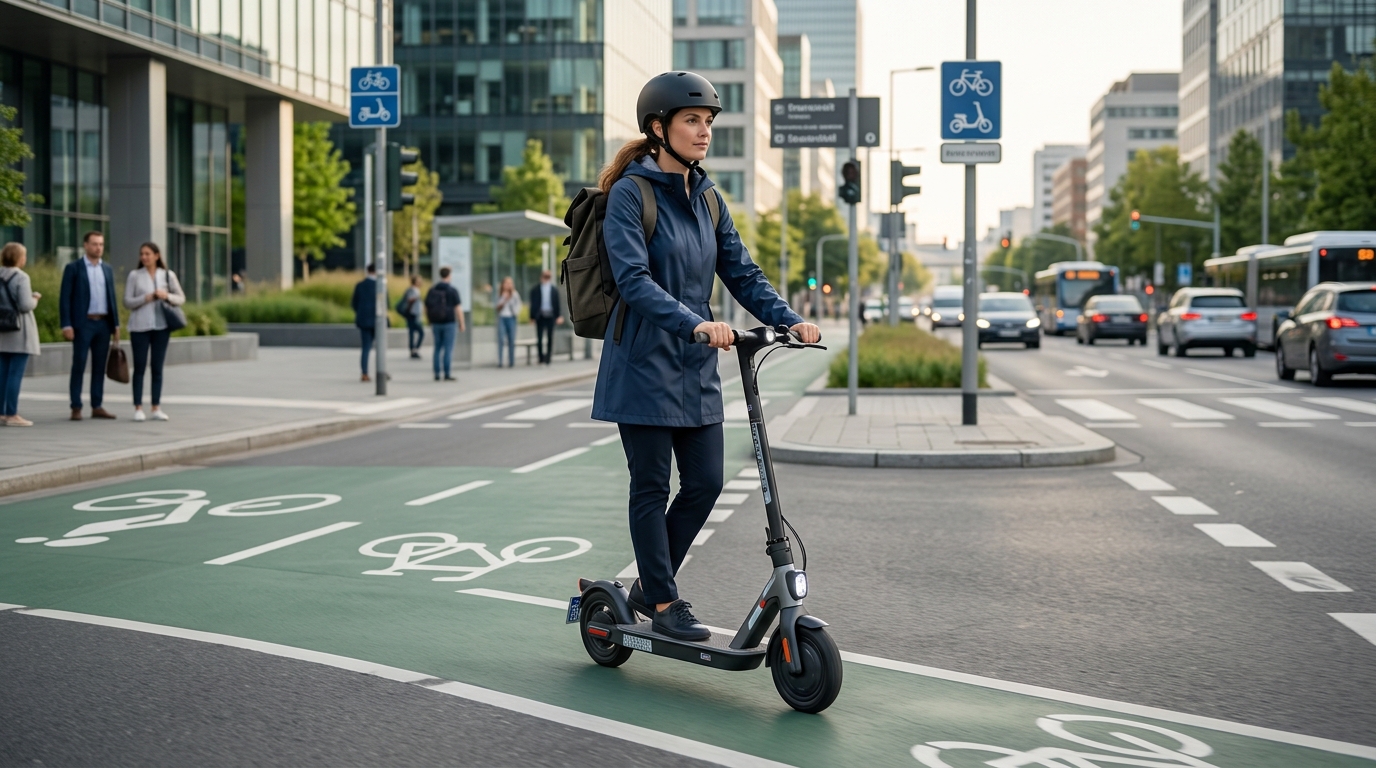

Every year, more commuters look at their short car trips - the 3 km school run, the 5 km office ride - and wonder why they are paying fuel and parking for distances a scooter covers in minutes. If 2026 is the year you make the switch, here is the honest first-timer guide.
First: Is an E-Scooter Right for Your Commute?
E-scooters shine on trips of 2 to 10 km on reasonable surfaces. Beyond that range, battery anxiety and standing fatigue become real. Ask three questions: Is my route mostly paved? Can I charge at home or work? Are e-scooters legal on my route? That last one matters - rules differ by city and country, so check local regulations before spending anything.
The Specs That Actually Matter
Marketing pages love top speed. Ignore that and look at:
- Real range - advertised range assumes a light rider on flat ground; expect 60 to 70 percent of the number in real life.
- Motor power - 350W handles flat commutes; hills want 500W or more.
- Tires - pneumatic tires soak up bad pavement far better than solid ones.
- Weight - if you climb stairs or lift it into a car boot, every kilogram counts.
- Brakes - dual braking (disc plus electronic) is worth prioritizing.
Good Starting Points by Rider Type
For city commuters who want a dependable, well-priced first scooter, isinwheel covers the entry-to-mid segment well - their commuter models balance range, weight and price sensibly, and a verified isinwheel coupon code brings them down further.
If your route includes rougher ground or you want more headroom to grow into, iScooter Global runs a wider lineup, from light urban models up to off-road builds with suspension. Their range makes it easier to match the scooter to the commute instead of compromising.
Safety, Honestly
The data is clear: most e-scooter injuries involve no helmet, night riding without lights, or first-week overconfidence. The fix costs little: wear a helmet every ride, add lights beyond the built-ins, and spend your first hour practicing braking in an empty car park - emergency stops on a scooter feel different from a bicycle.
The Money Math
A mid-range scooter typically pays for itself within months of replaced fuel, parking and rideshare costs on short trips - charging costs pennies. Time it with a sale event, stack a verified code from our brands directory, and the payback window shrinks further.
Start with the legal check, buy for your actual route, and practice before you commute. The school run might just become the best part of your morning.
Michael Chen
Tech Editor
Michael writes about technology deals and gadgets.


